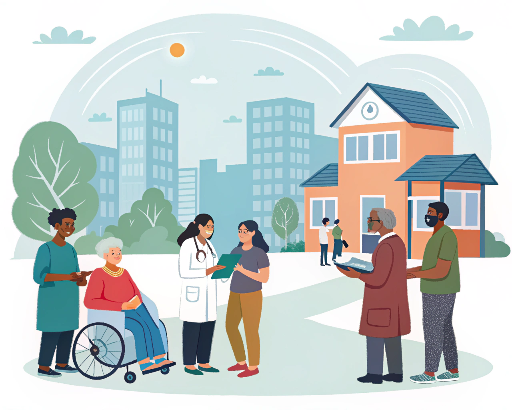
The Imperative for Equitable Access to Behavioral Health Services

Behavioral health services, encompassing mental health care and substance use disorder treatment, are foundational to fostering individual well-being and societal resilience. These services address a spectrum of needs, from managing anxiety and depression to treating severe conditions like schizophrenia or opioid addiction. Yet, despite their undeniable importance, equitable access to behavioral health services remains an elusive goal for millions worldwide. This inequity is not merely a logistical challenge but a pressing public health crisis that perpetuates cycles of suffering, inequality, and systemic inefficiency.
The significance of behavioral health cannot be overstated. Mental health and substance use disorders affect one in four people globally, according to the World Health Organization (WHO). Left untreated, these conditions can lead to profound personal consequences—diminished quality of life, unemployment, strained relationships, and even premature death. Beyond the individual level, untreated behavioral health issues impose staggering economic costs, estimated at over $1 trillion annually in lost productivity alone. The ripple effects extend into healthcare systems, criminal justice institutions, and social services, creating a cascade of inefficiencies and unmet needs.
Despite its critical role, behavioral health has long been marginalized within the broader healthcare landscape. Stigma, fragmented care systems, and insufficient funding have historically relegated mental health and addiction services to secondary status. This marginalization disproportionately impacts vulnerable populations, including low-income communities, racial and ethnic minorities, rural residents, and individuals with disabilities. For example, individuals in rural areas often face a dearth of licensed providers and specialized facilities, while minority groups may encounter cultural barriers or implicit biases that deter them from seeking help.
The disparities in access to behavioral health services are stark and pervasive. In the United States, for instance, nearly 60% of adults with mental illness do not receive treatment, and the gap is even wider for marginalized groups. African American and Hispanic individuals are less likely than their white counterparts to access mental health services, often due to socioeconomic barriers, mistrust of the healthcare system, and a lack of culturally competent care. Similarly, LGBTQ+ individuals frequently face discrimination or inadequate support when seeking behavioral health services, exacerbating their already heightened risk for mental health challenges.
These inequities are further compounded by structural factors such as insurance coverage gaps, workforce shortages, and geographic disparities. Many insurance plans still offer limited coverage for behavioral health services, leaving patients to shoulder high out-of-pocket costs. Meanwhile, the shortage of mental health professionals—particularly in underserved areas—creates bottlenecks in service delivery. Telehealth has emerged as a partial solution, yet digital divides persist, with low-income households and older adults often lacking reliable internet access.
The consequences of inequitable access are dire. Untreated behavioral health conditions contribute to chronic physical illnesses, increased emergency room visits, and higher rates of incarceration. Moreover, they perpetuate cycles of poverty and disadvantage, as individuals struggling with untreated mental health or substance use disorders often find it difficult to maintain employment, housing, or stable relationships. Addressing these disparities is not only a moral imperative but also a practical necessity for building healthier, more equitable societies.

In this context, expanding access to equitable behavioral health services becomes a cornerstone of public health reform. Doing so requires dismantling systemic barriers, fostering inclusivity, and leveraging innovative solutions to ensure that all individuals—regardless of their background or circumstances—can access timely, affordable, and culturally responsive care. As we delve deeper into the challenges and potential solutions, it becomes clear that achieving equity in behavioral health is not just about improving outcomes for individuals; it is about transforming systems and reimagining how care is delivered on a global scale.
Current Challenges in Providing Equitable Behavioral Health Services
Despite growing recognition of the importance of behavioral health, numerous systemic barriers continue to hinder equitable access to these vital services. Among the most pervasive challenges are stigma, financial constraints, workforce shortages, and geographic disparities. Each of these obstacles reinforces the others, creating a tangled web of inequity that disproportionately affects marginalized populations and undermines efforts to achieve universal access to care.
Stigma: A Persistent Barrier
Stigma remains one of the most formidable barriers to accessing behavioral health services. Misconceptions about mental illness and substance use disorders often portray these conditions as signs of weakness or moral failing, rather than legitimate medical issues. This stigma manifests in various ways, from societal judgment and discrimination to internalized shame that deters individuals from seeking help. For example, many people fear being labeled “crazy” or “unstable,” which can prevent them from reaching out to therapists, counselors, or psychiatrists. This is particularly true in communities where mental health discussions are taboo or stigmatized, such as certain cultural or religious groups.

The consequences of stigma extend beyond individual reluctance to seek care. It permeates healthcare systems, leading to implicit biases among providers and unequal treatment for those who do seek help. Studies have shown that racial and ethnic minorities are more likely to receive substandard care or be misdiagnosed compared to their white counterparts, often due to stereotypes held by clinicians. Additionally, stigma contributes to underfunding of behavioral health programs, as policymakers and stakeholders may deprioritize these services due to lingering societal prejudices.
Financial Constraints: The Cost of Care
Financial barriers are another significant obstacle to equitable access. Behavioral health services can be prohibitively expensive, especially for individuals without adequate insurance coverage. Even in countries with universal healthcare systems, gaps in funding often result in long wait times or limited access to specialized care. In the United States, for instance, many insurance plans impose strict limits on the number of therapy sessions covered or exclude certain evidence-based treatments altogether. High deductibles and copayments further discourage individuals from pursuing necessary care.
For low-income populations, the financial burden is particularly acute. Without the means to pay for private therapy or medication, many turn to emergency rooms or community clinics as a last resort. However, these settings are ill-equipped to provide comprehensive, long-term behavioral health care, often resulting in fragmented and ineffective treatment. Furthermore, the intersection of poverty and mental health creates a vicious cycle: untreated behavioral health conditions make it harder to secure stable employment or housing, perpetuating economic hardship and limiting access to resources.
Workforce Shortages: A Growing Crisis
The shortage of qualified behavioral health professionals is a critical bottleneck in delivering equitable care. According to the U.S. Health Resources and Services Administration (HRSA), over 120 million Americans live in areas designated as having a shortage of mental health providers. This issue is exacerbated in rural and underserved urban areas, where recruitment and retention of specialists are particularly challenging. Psychiatrists, psychologists, licensed clinical social workers, and addiction counselors are in short supply, leading to long waitlists and overburdened practitioners.
Workforce shortages are driven by several factors, including inadequate training programs, low reimbursement rates, and burnout among existing providers. Many mental health professionals choose to work in urban centers where demand is higher and salaries are more competitive, leaving rural areas severely underserved. Additionally, the complexity of licensing requirements across states creates barriers for telehealth providers seeking to expand their reach. This shortage disproportionately affects marginalized groups, as they are more likely to reside in areas with limited access to care.
Geographic Disparities: Unequal Distribution of Resources
Geographic disparities compound the challenges posed by stigma, financial constraints, and workforce shortages. Rural communities, in particular, face significant hurdles in accessing behavioral health services. These areas often lack specialized facilities, such as psychiatric hospitals or addiction treatment centers, forcing residents to travel long distances for care. Transportation barriers, coupled with limited public transit options, further restrict access for individuals without personal vehicles.
Even within urban settings, disparities persist. Low-income neighborhoods and communities of color frequently experience a scarcity of high-quality behavioral health services. Clinics in these areas may be understaffed, underfunded, or unable to offer culturally relevant care. As a result, residents are left to navigate a patchwork of fragmented services, often encountering long wait times and inconsistent quality.
Intersectionality: Amplifying Inequities
It is important to recognize that these barriers do not operate in isolation; they intersect in ways that amplify inequities. For example, a low-income Latina woman living in a rural area may face multiple layers of disadvantage: financial constraints that limit her ability to afford care, cultural stigma surrounding mental health, geographic isolation that reduces access to providers, and potential language barriers that complicate communication with clinicians. Addressing these intersecting challenges requires a nuanced understanding of how systemic inequities manifest differently for various populations.
In summary, the current challenges in providing equitable behavioral health services are deeply entrenched and multifaceted. Stigma, financial constraints, workforce shortages, and geographic disparities collectively create significant barriers to care, particularly for marginalized groups. To overcome these obstacles, systemic reforms are needed to dismantle structural inequities and ensure that all individuals have access to the behavioral health services they need to thrive.
Strategies to Expand Access to Equitable Behavioral Health Services
Addressing the systemic barriers to equitable behavioral health services requires a multifaceted approach that integrates policy changes, technological innovations, and community-based initiatives. By leveraging these strategies, stakeholders can create a more inclusive and accessible healthcare ecosystem that prioritizes the diverse needs of all individuals, regardless of their socioeconomic status, geographic location, or cultural background.
Policy Changes: Leveling the Playing Field
Policy reform stands as a cornerstone in the effort to expand access to behavioral health services. One of the most impactful measures is the implementation of mental health parity laws, which mandate that insurance plans provide equal coverage for mental health and substance use disorders as they do for physical health conditions. Such legislation ensures that individuals are not penalized with higher out-of-pocket costs or stricter eligibility criteria when seeking behavioral health care. For instance, the Mental Health Parity and Addiction Equity Act (MHPAEA) in the United States has already improved access for millions by requiring insurers to eliminate discriminatory practices.
Expanding Medicaid and other public insurance programs is another critical policy lever. Medicaid serves as a lifeline for low-income individuals, covering essential behavioral health services such as therapy, counseling, and medication management. However, many states have yet to adopt Medicaid expansion under the Affordable Care Act (ACA), leaving millions of vulnerable Americans without adequate coverage. Advocacy for universal adoption of Medicaid expansion, coupled with increased federal funding for behavioral health programs, can significantly reduce financial barriers to care.
Additionally, policies aimed at integrating behavioral health into primary care settings can streamline access and improve outcomes. By embedding mental health professionals within primary care teams, patients can receive timely interventions without the need for referrals to external specialists. This model not only enhances diagnostic accuracy but also reduces stigma, as behavioral health care becomes normalized within routine medical visits. Policymakers must also prioritize funding for school-based mental health programs, ensuring early identification and intervention for children and adolescents.
Technological Innovations: Bridging Gaps Through Digital Solutions
Technological advancements have revolutionized the delivery of behavioral health services, offering scalable solutions to overcome geographic and financial barriers. Telehealth platforms have emerged as a game-changer, enabling individuals in remote or underserved areas to access therapy, psychiatric consultations, and support groups from the comfort of their homes. During the COVID-19 pandemic, telehealth usage surged, demonstrating its potential to democratize care. For example, virtual therapy sessions allowed rural residents and individuals with mobility challenges to connect with licensed providers who were otherwise inaccessible.
Mobile applications and digital tools further enhance accessibility by providing self-guided interventions, symptom tracking, and mindfulness exercises. Apps like Headspace and Woebot offer evidence-based resources for managing stress, anxiety, and depression, making mental health support available 24/7. These tools are particularly beneficial for individuals who may hesitate to seek traditional therapy due to stigma or cost concerns. Moreover, wearable devices equipped with biometric sensors can monitor physiological indicators of stress or mood changes, empowering users to take proactive steps toward their mental well-being.
To maximize the impact of technology, policymakers and healthcare organizations must address the digital divide. Ensuring affordable internet access and providing devices to low-income households can prevent technological innovations from inadvertently excluding the very populations they aim to serve. Public-private partnerships can play a pivotal role in bridging this gap, subsidizing connectivity and distributing resources equitably.
Community-Based Initiatives: Empowering Local Solutions
Community-based initiatives are uniquely positioned to address the cultural, social, and economic dimensions of behavioral health disparities. Grassroots organizations, peer support networks, and faith-based groups often have deep ties to the communities they serve, enabling them to deliver culturally responsive care that resonates with local values and traditions. For example, initiatives led by Black churches in the United States have successfully reduced stigma around mental health by framing it as a communal responsibility rather than an individual failing.
Peer support programs represent another powerful strategy for expanding access. Trained peer specialists—individuals with lived experience of mental illness or addiction—provide mentorship, advocacy, and guidance to others navigating similar challenges. These programs foster trust and empathy, breaking down barriers that might otherwise prevent individuals from seeking help. Peer-led recovery groups, such as Alcoholics Anonymous (AA) or Narcotics Anonymous (NA), exemplify how shared experiences can inspire hope and accountability.
Community health workers (CHWs) also play a vital role in bridging gaps in behavioral health care. CHWs act as liaisons between healthcare providers and underserved populations, offering education, navigation assistance, and follow-up support. Their presence in schools, workplaces, and neighborhood centers ensures that behavioral health resources are accessible where people live, work, and learn. For instance, CHWs in Native American communities have been instrumental in addressing historical trauma and promoting healing through culturally grounded practices.
Finally, community-driven campaigns can combat stigma and raise awareness about the importance of mental health. Public education initiatives, storytelling projects, and art-based interventions humanize mental illness and addiction, challenging stereotypes and encouraging open dialogue. These efforts not only normalize help-seeking behaviors but also galvanize collective action to advocate for systemic change.
Synergistic Impact: A Holistic Approach
While each strategy—policy changes, technological innovations, and community-based initiatives—offers distinct benefits, their true power lies in their synergy. For example, policy reforms that incentivize telehealth adoption can amplify the reach of digital tools, while community programs can educate residents about available online resources. Similarly, integrating peer support models into primary care settings aligns with both policy goals and grassroots priorities, creating a seamless continuum of care.
By implementing these strategies in tandem, stakeholders can dismantle longstanding barriers and build a more equitable behavioral health system. The ultimate goal is to ensure that every individual, regardless of their circumstances, has the opportunity to access compassionate, effective, and culturally relevant care.
Success Stories and Case Studies in Expanding Behavioral Health Access
Real-world success stories and case studies provide tangible evidence of how targeted strategies can effectively expand access to equitable behavioral health services. These examples illustrate the transformative power of innovation, collaboration, and community engagement, offering valuable lessons for scaling up successful initiatives.
Case Study 1: Project ECHO – Bridging the Gap in Rural America
One of the most celebrated models for addressing workforce shortages in behavioral health is Project ECHO (Extension for Community Healthcare Outcomes). Launched in 2003 by Dr. Sanjeev Arora at the University of New Mexico, Project ECHO uses telehealth technology to connect primary care providers in rural and underserved areas with multidisciplinary teams of specialists. Through weekly virtual clinics, participants receive training, mentoring, and case-based learning on complex conditions such as substance use disorders, depression, and PTSD.
The impact of Project ECHO has been profound. For example, in Montana—a state grappling with high rates of opioid addiction—Project ECHO enabled primary care physicians to prescribe buprenorphine, a medication-assisted treatment for opioid use disorder, without referring patients to distant specialists. This initiative not only expanded access to life-saving treatments but also reduced travel burdens for patients. Over time, participating providers reported increased confidence in managing behavioral health cases, leading to improved patient outcomes and reduced hospitalizations. The scalability of Project ECHO has inspired its adoption in over 40 countries, demonstrating its potential to address workforce shortages on a global scale.
Case Study 2: The Wraparound Milwaukee Program – Holistic Support for Youth
In Milwaukee, Wisconsin, the Wraparound Milwaukee Program has become a national model for addressing behavioral health disparities among youth involved in the child welfare and juvenile justice systems. Launched in 1995, this program takes a holistic, family-centered approach to care, coordinating services such as therapy, case management, educational support, and housing assistance under a single umbrella. Families work closely with care coordinators to develop personalized plans that reflect their unique strengths, needs, and cultural backgrounds.
The results have been remarkable. Wraparound Milwaukee has reduced out-of-home placements by 40%, lowered recidivism rates, and improved school attendance among participants. Importantly, the program’s emphasis on cultural competence has fostered trust within marginalized communities, ensuring that families feel respected and supported throughout their journey. By integrating behavioral health services with other social determinants of health, Wraparound Milwaukee exemplifies how comprehensive, community-driven interventions can break cycles of disadvantage and promote long-term well-being.
Case Study 3: Text4Hope – Leveraging Technology for Mental Wellness
Amid the global surge in mental health challenges during the COVID-19 pandemic, Text4Hope, a Canadian initiative, demonstrated the potential of digital tools to deliver accessible and scalable behavioral health support. Developed by Alberta Health Services, Text4Hope provides daily text messages containing coping strategies, motivational quotes, and mindfulness exercises to subscribers. The service targets individuals experiencing anxiety, depression, or loneliness, offering immediate, low-barrier support.
Within weeks of its launch, Text4Hope attracted over 30,000 subscribers, highlighting the widespread demand for non-traditional forms of mental health care. Surveys revealed that participants reported reduced feelings of isolation and improved emotional resilience after engaging with the program. Notably, Text4Hope’s simplicity and anonymity made it particularly appealing to young adults and men—demographics that traditionally underutilize formal mental health services due to stigma or logistical barriers. This case underscores how technology can complement traditional care models, reaching underserved populations in innovative ways.
Case Study 4: The Friendship Bench – Culturally Grounded Care in Zimbabwe
In Harare, Zimbabwe, the Friendship Bench project has redefined how behavioral health services are delivered in resource-constrained settings. Founded by Dr. Dixon Chibanda, the initiative trains lay health workers—known locally as “grandmothers”—to provide problem-solving therapy to individuals experiencing common mental health issues such as anxiety and depression. Sessions take place outdoors, on wooden benches placed in community spaces, creating a welcoming and non-stigmatizing environment.
Since its inception in 2006, the Friendship Bench has reached tens of thousands of people, with studies showing significant reductions in symptoms of depression and anxiety among participants. The program’s success hinges on its cultural relevance; grandmothers incorporate indigenous healing practices and local idioms into their counseling, making the intervention resonate deeply with clients. Furthermore, the low-cost, scalable nature of the model has inspired its replication in other African nations and beyond, proving that culturally grounded, community-led approaches can achieve remarkable outcomes even in challenging contexts.
Lessons Learned: Scalability and Sustainability
These case studies highlight several key lessons for replicating and scaling successful initiatives:
- Leverage Existing Infrastructure: Both Project ECHO and Text4Hope capitalize on existing technologies and networks, minimizing startup costs and accelerating implementation.
- Prioritize Cultural Competence: Programs like Wraparound Milwaukee and the Friendship Bench demonstrate the importance of tailoring interventions to reflect the values, traditions, and realities of the communities they serve.
- Foster Collaboration: Successful initiatives often involve partnerships between government agencies, nonprofit organizations, academic institutions, and local stakeholders, ensuring alignment of resources and expertise.
- Focus on Prevention and Early Intervention: Initiatives that emphasize prevention and early intervention, such as Text4Hope and Project ECHO, tend to yield greater long-term benefits by addressing issues before they escalate.
By applying these principles, policymakers, healthcare providers, and advocates can adapt proven models to new contexts, driving meaningful progress toward equitable behavioral health access worldwide.
Challenges and Obstacles in Implementing Expanded Access to Behavioral Health Services
While the strategies outlined above hold immense promise for expanding equitable access to behavioral health services, their implementation is fraught with challenges and obstacles. These hurdles range from systemic resistance and resource limitations to ethical dilemmas and unintended consequences, all of which must be carefully navigated to ensure that reforms achieve their intended outcomes.
Resistance to Change: Entrenched Systems and Skepticism
One of the most pervasive challenges in implementing expanded access to behavioral health services is resistance to change. Established healthcare systems, insurance providers, and regulatory bodies often operate within rigid frameworks that prioritize efficiency and cost containment over innovation and equity. For example, integrating behavioral health into primary care settings—a strategy widely recognized for its potential to improve outcomes—requires significant shifts in workflow, training, and reimbursement structures. Many primary care clinics may resist adopting these changes due to concerns about increased workload, insufficient staffing, or financial viability.
Skepticism from stakeholders, including policymakers and healthcare administrators, can further impede progress. Some view proposed reforms, such as telehealth expansion or community-based initiatives, as untested or overly ambitious, questioning their sustainability and scalability. This skepticism is often rooted in a lack of familiarity with emerging models of care or apprehension about disrupting existing systems. Overcoming this resistance necessitates robust advocacy, data-driven evidence, and pilot programs that demonstrate measurable success. However, garnering buy-in from diverse stakeholders remains a persistent challenge.
Resource Limitations: Funding and Infrastructure Gaps
Another major obstacle is the scarcity of resources required to implement and sustain expanded behavioral health services. While policy changes and technological innovations show great potential, their execution depends heavily on adequate funding and infrastructure. For instance, expanding Medicaid coverage or increasing reimbursement rates for behavioral health services demands substantial financial investment. In fiscally constrained environments, securing these funds often involves competing with other pressing public health priorities, such as infectious disease control or chronic illness management.
Infrastructure gaps pose additional challenges, particularly in rural and underserved areas. Building the capacity to deliver telehealth services, for example, requires reliable broadband internet, compatible devices, and technical support—all of which may be lacking in low-income communities. Similarly, launching community-based initiatives like peer support programs or wraparound services demands ongoing investments in training, supervision, and operational logistics. Without sustained funding, these programs risk being under-resourced or prematurely discontinued, undermining their effectiveness.
Ethical Concerns: Balancing Innovation with Equity
Ethical considerations also loom large in efforts to expand access to behavioral health services. For example, the rapid adoption of digital tools raises questions about privacy, consent, and data security. Patients using mobile apps or telehealth platforms may unknowingly expose sensitive information to third-party vendors or cyber threats, particularly if regulations governing digital health technologies lag behind advancements. Ensuring informed consent and safeguarding patient confidentiality becomes increasingly complex in a digitized healthcare landscape.
Moreover, there is a risk that technological innovations could inadvertently exacerbate inequities rather than alleviate them. While telehealth offers unprecedented convenience for some, it may exclude others who lack access to smartphones, computers, or reliable internet connections. Similarly, algorithmic bias in AI-driven diagnostic tools could reinforce existing disparities by producing inaccurate assessments for marginalized groups. Addressing these ethical concerns requires proactive measures, such as developing inclusive design standards, strengthening regulatory oversight, and fostering transparency in how technologies are developed and deployed.
Unintended Consequences: Strain on Systems and Burnout
Even well-intentioned reforms can generate unintended consequences that strain healthcare systems and compromise provider well-being. For instance, the integration of behavioral health into primary care settings, while beneficial for patients, places additional demands on already overburdened clinicians. Primary care providers may struggle to balance routine medical duties with the complexities of diagnosing and managing mental health conditions, potentially leading to burnout. Similarly, the growing reliance on telehealth could isolate patients who value face-to-face interactions or diminish opportunities for hands-on care.
Community-based initiatives, though promising, also carry risks if not implemented thoughtfully. For example, peer support programs rely heavily on volunteers or minimally compensated staff, who may themselves experience emotional exhaustion or vicarious trauma. If these programs fail to provide adequate training, supervision, and self-care resources, they risk harming both participants and facilitators. Anticipating and mitigating these unintended consequences requires careful planning, continuous evaluation, and adaptive leadership.
Navigating Complexity: A Call for Collaborative Solutions
The challenges inherent in expanding equitable access to behavioral health services underscore the complexity of systemic reform. Tackling these obstacles demands a collaborative approach that brings together policymakers, healthcare providers, technologists, ethicists, and community members. Transparent communication, iterative testing, and a commitment to equity must guide every step of the process. Only through sustained effort and shared responsibility can we overcome the barriers standing in the way of truly inclusive behavioral health care.
The Future of Equitable Behavioral Health Services: Innovations and Predictions
As society continues to grapple with the complexities of behavioral health disparities, the future holds both exciting opportunities and daunting challenges. Emerging trends in artificial intelligence (AI), personalized medicine, and integrated care models are poised to redefine how behavioral health services are delivered, offering the potential to bridge gaps in access and equity. Simultaneously, anticipated challenges—ranging from ethical dilemmas to systemic inertia—underscore the need for strategic foresight and collaborative action to ensure that these advancements benefit all individuals, particularly those in underserved populations.
Artificial Intelligence: Revolutionizing Diagnosis and Treatment
Artificial intelligence is set to transform behavioral health care by enhancing diagnostic accuracy, streamlining service delivery, and enabling personalized interventions. Machine learning algorithms and natural language processing (NLP) tools are already being used to analyze vast datasets, identifying patterns that might elude human clinicians. For example, AI-powered chatbots can conduct initial screenings for conditions like depression or anxiety, flagging high-risk individuals for follow-up care. These tools not only reduce the burden on overworked providers but also extend the reach of behavioral health services to remote or underserved areas.
In the near future, AI could facilitate predictive analytics, allowing healthcare systems to anticipate outbreaks of mental health crises or identify populations at risk of substance abuse before symptoms manifest. For instance, predictive models could analyze social determinants of health—such as unemployment rates, housing instability, or community violence—to allocate resources proactively. However, the integration of AI into behavioral health raises critical ethical questions. Algorithmic bias, data privacy concerns, and the potential for dehumanizing care must be addressed to ensure that AI serves as a tool for empowerment rather than exclusion. Developing transparent, inclusive algorithms and establishing robust regulatory frameworks will be essential to harnessing AI’s full potential responsibly.
Personalized Medicine: Tailoring Interventions to Individual Needs
Personalized medicine represents another frontier in behavioral health, promising treatments that are tailored to an individual’s genetic, environmental, and psychosocial profile. Advances in genomics and biomarker research are enabling clinicians to predict how patients will respond to specific medications, reducing trial-and-error prescribing and improving outcomes. For example, pharmacogenomic testing can identify genetic variations that influence an individual’s metabolism of antidepressants or antipsychotics, guiding more precise treatment plans.
Beyond pharmacology, personalized approaches are being applied to psychotherapy and lifestyle interventions. Digital platforms powered by AI and machine learning can curate therapeutic content based on user preferences, learning styles, and progress metrics. For instance, a mobile app might recommend mindfulness exercises for someone prone to stress or cognitive-behavioral techniques for another dealing with intrusive thoughts. This customization not only enhances engagement but also fosters a sense of agency and ownership over one’s mental health journey.
Yet, the promise of personalized medicine comes with challenges. High costs associated with advanced diagnostics and tailored therapies could widen existing disparities if equitable access is not prioritized. Policymakers and healthcare organizations must explore innovative financing models, such as value-based care or public-private partnerships, to make personalized interventions accessible to low-income and marginalized populations. Additionally, cultural competence must remain central to these efforts, ensuring that personalized care respects diverse values and traditions.
Integrated Care Models: Breaking Down Silos
Integrated care models, which combine behavioral health services with primary care, specialty care, and social services, are gaining traction as a sustainable solution to fragmentation in healthcare delivery. These models emphasize collaboration among multidisciplinary teams, fostering seamless transitions between different levels of care. For example, colocating mental health professionals within primary care clinics allows for real-time consultations and coordinated treatment plans, reducing delays and improving continuity.
Looking ahead, integrated care is expected to evolve further, incorporating population health management strategies and leveraging technology to enhance efficiency. Virtual care hubs, for instance, could connect patients with specialists, case managers, and peer supporters through a single platform, eliminating logistical barriers. Social determinants of health—such as food insecurity, transportation access, and employment stability—are also likely to feature more prominently in integrated models, reflecting a holistic understanding of well-being.
However, scaling integrated care poses significant challenges. Aligning incentives across disparate sectors, standardizing protocols, and addressing workforce shortages require sustained investment and leadership. Policymakers must prioritize funding for integrated care initiatives while fostering partnerships between healthcare systems, community organizations, and government agencies. Public education campaigns can also play a crucial role in normalizing integrated care, encouraging individuals to seek help without fear of stigma.
Anticipated Challenges: Systemic Barriers and Ethical Quandaries
While technological and systemic innovations offer transformative possibilities, they also introduce new challenges that must be navigated carefully. One major concern is the risk of exacerbating inequalities through uneven adoption of advanced technologies. Wealthier regions or institutions may adopt cutting-edge tools more quickly, leaving poorer areas further behind. Ensuring equitable distribution of resources will require deliberate policy interventions and cross-sector collaboration.
Ethical quandaries will also come to the forefront as behavioral health services become increasingly data-driven and technology-dependent. Questions about consent, autonomy, and the potential for surveillance in digital health platforms demand rigorous ethical scrutiny. Moreover, as AI and personalized medicine blur the lines between human and machine decision-making, maintaining the human element in care will be paramount. Training providers to use technology as a complement—not a replacement—for empathetic, patient-centered interactions will be essential.
A Vision for the Future: Collective Action for Equity
The future of equitable behavioral health services hinges on our ability to balance innovation with inclusivity. By embracing emerging trends while addressing their inherent challenges, we can create a healthcare ecosystem that leaves no one behind. Policymakers, researchers, clinicians, and community advocates must work together to champion systemic reforms, invest in underserved populations, and uphold the principles of justice and compassion. In doing so, we move closer to a world where behavioral health care is not a privilege for the few but a fundamental right for all.
Conclusion: The Path Forward in Expanding Equitable Behavioral Health Services
Expanding equitable access to behavioral health services is not merely a policy goal or a professional obligation—it is a moral imperative that reflects our collective commitment to fostering healthier, more inclusive societies. Throughout this article, we have explored the multifaceted challenges that obstruct equitable access, from pervasive stigma and financial barriers to workforce shortages and geographic disparities. We have also examined innovative strategies—policy reforms, technological advancements, and community-based initiatives—that hold immense potential to dismantle these barriers and create a more just and accessible behavioral health system. Now, as we look to the future, it is imperative to underscore the urgency of these efforts and call upon all stakeholders to take decisive action.
The stakes are undeniably high. Behavioral health conditions affect millions of individuals worldwide, yet systemic inequities persistently deny countless people the care they need to heal and thrive. Marginalized communities bear the brunt of these disparities, facing disproportionate rates of untreated mental illness and substance use disorders. These inequities not only perpetuate cycles of suffering and disadvantage but also strain healthcare systems, economies, and social structures. Addressing these gaps is not optional; it is essential for advancing public health, reducing societal costs, and upholding human dignity.
Policymakers play a pivotal role in driving systemic change. By enacting and enforcing mental health parity laws, expanding insurance coverage, and investing in workforce development, governments can lay the foundation for equitable access. Legislative measures must also prioritize funding for community-based programs, school mental health initiatives, and telehealth infrastructure, ensuring that resources reach the most underserved populations. Policymakers must listen to the voices of those directly impacted by behavioral health disparities, incorporating their insights into the design and implementation of reforms.
Healthcare providers, too, have a critical responsibility to champion equitable access. Clinicians must embrace culturally competent practices, actively working to dismantle biases and build trust with marginalized patients. By integrating behavioral health into primary care settings and adopting evidence-based tools like telehealth and AI-driven diagnostics, providers can expand their reach and improve outcomes. Professional organizations should advocate for fair reimbursement rates, reduced administrative burdens, and enhanced training opportunities to support providers in delivering high-quality, equitable care.
Community involvement is equally vital. Grassroots organizations, peer support networks, and faith-based groups possess unparalleled insight into the unique needs of their communities. By partnering with these entities, larger institutions can co-create solutions that are culturally relevant, sustainable, and impactful. Public education campaigns led by trusted community leaders can combat stigma, normalize help-seeking behaviors, and galvanize collective action to demand systemic change.
Finally, individuals—whether as advocates, allies, or beneficiaries of behavioral health services—must recognize their role in shaping the future of mental health care. Raising awareness, challenging discriminatory practices, and supporting policies that promote equity are actions within everyone’s reach. Together, we can build momentum for change, ensuring that no one is left behind in the pursuit of mental wellness.
The path forward will require courage, collaboration, and unwavering dedication. Expanding equitable access to behavioral health services is not a task for a select few; it is a shared mission that demands the collective effort of policymakers, healthcare providers, communities, and individuals alike. Let us seize this moment to reimagine what is possible, transforming systemic inequities into opportunities for growth, resilience, and healing. The time to act is now—for the sake of our communities, our loved ones, and ourselves.