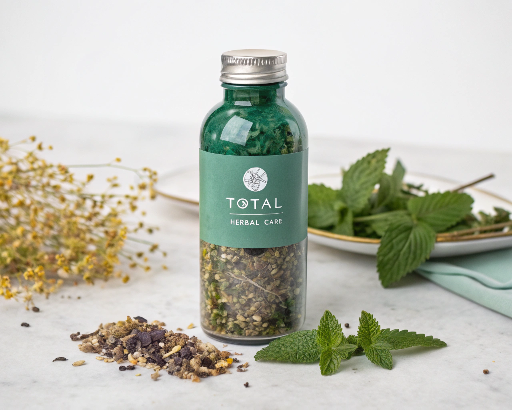

In an era where modern medicine often prioritizes quick fixes and symptom management, there is a growing movement toward embracing natural alternatives that align with the body’s innate ability to heal. At the forefront of this shift is Total Herbal Care, a philosophy rooted in harnessing the power of plants and traditional knowledge to promote holistic health and well-being. By integrating centuries-old wisdom with contemporary scientific insights, Total Herbal Care offers a comprehensive approach to wellness that addresses not just physical ailments but also mental, emotional, and spiritual balance. This article delves into the principles, benefits, applications, and future potential of Total Herbal Care, exploring how it can transform the way we think about health. From its origins in ancient healing traditions to its relevance in today’s fast-paced world, Total Herbal Care represents a harmonious blend of nature and science, offering sustainable solutions for individuals seeking a gentler, more personalized path to vitality.
Understanding Total Herbal Care: A Holistic Approach to Health
Total Herbal Care is more than just the use of herbs as remedies; it is a philosophy centered on nurturing the body, mind, and spirit through natural means. The foundation of this practice lies in recognizing the interconnectedness of all aspects of human health. Unlike conventional medical approaches that often treat symptoms in isolation, Total Herbal Care emphasizes addressing the root causes of imbalances while supporting overall wellness. At its core, Total Herbal Care draws from time-tested traditions such as Ayurveda, Traditional Chinese Medicine (TCM), Native American healing practices, and European herbalism. These systems share a common belief in the body’s inherent capacity to heal itself when provided with the right tools and environment. Herbs are viewed not merely as medicinal substances but as allies in restoring harmony within the body and between the individual and their surroundings.
Key Principles of Total Herbal Care include holism, prevention, personalization, sustainability, and empowerment. Every aspect of health—physical, mental, emotional, and spiritual—is interconnected. Treating one area without considering others may lead to incomplete healing. Rather than waiting for illness to manifest, Total Herbal Care focuses on maintaining balance and preventing disease through lifestyle adjustments, dietary choices, and herbal support. Each person’s constitution, environment, and needs are unique. Herbal remedies are tailored to suit individual requirements rather than adopting a one-size-fits-all approach. Many herbal practices emphasize respect for nature, encouraging sustainable harvesting methods and minimal environmental impact. Total Herbal Care empowers individuals to take charge of their own health by learning about herbs, nutrition, and self-care practices. By combining these principles, Total Herbal Care provides a framework for achieving long-term well-being that respects both human physiology and ecological integrity.
The Science Behind Herbal Remedies: Bridging Tradition and Modern Research
While herbal medicine has been practiced for thousands of years, modern science is increasingly validating the efficacy of many plant-based treatments. Researchers around the globe are uncovering the biochemical mechanisms behind the therapeutic effects of herbs, bridging the gap between ancient wisdom and evidence-based medicine. Herbs contain a wide array of bioactive compounds, including alkaloids, flavonoids, terpenes, and polyphenols, which interact with the body in complex ways. These compounds can act as anti-inflammatory agents, antioxidants, antimicrobials, adaptogens (stress balancers), or even hormone regulators. For example, turmeric contains curcumin, a potent anti-inflammatory compound shown to alleviate conditions like arthritis and support brain health. Ginger is widely recognized for its digestive benefits and anti-nausea properties, supported by clinical trials. Ashwagandha, an adaptogenic herb, has been studied for its ability to reduce cortisol levels and improve stress resilience. Scientific advancements have also enabled the development of standardized herbal extracts, ensuring consistent potency and safety. This standardization allows practitioners to prescribe herbal remedies with greater confidence, knowing they meet rigorous quality control standards. However, it is important to note that while research supports many herbal interventions, some claims remain anecdotal or require further investigation. Responsible use of herbal remedies involves consulting qualified practitioners and staying informed about potential interactions with medications or underlying health conditions.
Applications of Total Herbal Care: From Everyday Wellness to Chronic Conditions
The versatility of Total Herbal Care makes it applicable across a wide spectrum of health concerns, ranging from everyday wellness maintenance to managing chronic illnesses. Below are some key areas where herbal care shines. Immune Support: Herbs like echinacea, elderberry, and astragalus are renowned for their immune-boosting properties. They can be used preventively during cold and flu season or as part of a recovery regimen after illness. Digestive Health: Digestive issues such as bloating, indigestion, and irritable bowel syndrome (IBS) often respond well to herbal interventions. Peppermint, chamomile, and licorice root are commonly recommended for soothing the gastrointestinal tract. Stress Management and Mental Health: Adaptogens like rhodiola, holy basil, and ginseng help the body cope with stress by modulating the adrenal glands. Additionally, herbs like lavender and passionflower are valued for their calming effects on the nervous system, making them useful for anxiety and insomnia. Skin and Hair Care: Topical applications of herbs like aloe vera, calendula, and neem address skin issues such as acne, eczema, and psoriasis. Similarly, herbal oils infused with rosemary or fenugreek promote hair growth and scalp health. Chronic Disease Management: For individuals dealing with chronic conditions like diabetes, hypertension, or autoimmune disorders, herbal supplements can complement conventional treatments. For instance, bitter melon may help regulate blood sugar levels, while hawthorn berry supports cardiovascular function. Women’s Health: Herbs like red raspberry leaf, dong quai, and vitex agnus-castus are staples in women’s health, addressing menstrual irregularities, menopausal symptoms, and hormonal imbalances. By tailoring herbal protocols to specific needs, Total Herbal Care offers gentle yet effective solutions for a variety of health challenges.

Benefits of Total Herbal Care: Why Choose Natural Healing?
The appeal of Total Herbal Care lies in its numerous advantages over conventional medical approaches. Here are some compelling reasons why individuals are turning to herbal remedies. Fewer Side Effects: Unlike pharmaceutical drugs, which often come with a laundry list of side effects, herbs generally have fewer adverse reactions when used appropriately. Their natural composition tends to work synergistically with the body. Cost-Effective: Herbal remedies are often more affordable than prescription medications, especially when sourced sustainably or grown at home. Promotes Long-Term Health: Instead of masking symptoms, herbs address underlying imbalances, promoting lasting improvements in health. Environmentally Friendly: Many herbal practices prioritize sustainability, using renewable resources and minimizing waste compared to industrial drug production. Cultural Connection: For many people, herbal care reconnects them with ancestral traditions and fosters a deeper appreciation for cultural heritage. Empowerment Through Education: Learning about herbs encourages individuals to become active participants in their health journey, fostering a sense of autonomy and empowerment.
Challenges and Considerations in Total Herbal Care
While Total Herbal Care offers numerous benefits, it is not without its challenges and limitations. Addressing these concerns is essential for ensuring safe and effective use of herbal remedies. Lack of Regulation: The herbal supplement industry is largely unregulated in many countries, leading to variability in product quality and potency. Consumers must exercise caution and choose reputable brands. Potential Interactions: Some herbs can interact with prescription medications, either enhancing or diminishing their effects. Consulting a healthcare provider before starting any new herbal regimen is crucial. Misinformation: With the rise of online information, misinformation about herbs is rampant. It is vital to rely on credible sources and qualified practitioners for guidance. Delayed Action: Unlike pharmaceuticals, which often provide rapid relief, herbal remedies may take longer to produce noticeable results. Patience and consistency are required. Limited Access: Not everyone has equal access to high-quality herbs or knowledgeable practitioners, particularly in underserved communities. Addressing these challenges requires increased education, regulation, and accessibility to ensure that Total Herbal Care remains a safe and viable option for all.
The Future of Total Herbal Care: Integrating Tradition with Innovation
As interest in natural health continues to grow, the future of Total Herbal Care looks promising. Advances in technology, such as phytochemical analysis and bioinformatics, will deepen our understanding of how herbs work at a molecular level. This knowledge will pave the way for more precise formulations and targeted therapies. Moreover, integrative medicine—a field that combines conventional and alternative approaches—is gaining traction in mainstream healthcare. Hospitals and clinics are increasingly incorporating herbal therapies alongside conventional treatments, offering patients a broader range of options. Education will play a pivotal role in shaping the future of Total Herbal Care. Training programs for herbalists, naturopaths, and other complementary health practitioners will help standardize practices and elevate the profession’s credibility. Public awareness campaigns can also dispel myths and encourage informed decision-making. Finally, sustainability will remain a key focus. As climate change threatens biodiversity, preserving medicinal plants and promoting ethical sourcing will be critical to ensuring the longevity of herbal traditions.
Conclusion: Embrace the Power of Plants for Lifelong Wellness
Total Herbal Care represents a return to the roots of healing, where nature serves as both teacher and healer. By embracing this holistic approach, individuals can cultivate a deeper connection to their bodies, their communities, and the planet. Whether used for daily wellness or chronic condition management, herbs offer a versatile, accessible, and sustainable path to health. As we navigate the complexities of modern life, let us remember the timeless wisdom of plants. With responsible use and continued research, Total Herbal Care has the potential to revolutionize healthcare, offering a gentler, more compassionate way to achieve lifelong wellness.