Mental health services encompass a broad spectrum of care designed to address the psychological, emotional, and social well-being of individuals. These services are essential in helping people manage mental health challenges, from mild stress and anxiety to severe conditions like schizophrenia or bipolar disorder. At their core, mental health services aim to promote mental wellness, prevent mental health issues, diagnose and treat existing conditions, and support recovery for those affected by mental illness. They play a critical role in fostering resilience, improving quality of life, and reducing the stigma often associated with seeking help.

The importance of mental health services cannot be overstated. Mental health is an integral part of overall health, influencing how individuals think, feel, and interact with others. When mental health is compromised, it can affect every aspect of life, including relationships, work performance, and physical health. For example, untreated depression has been linked to chronic illnesses such as heart disease, while anxiety disorders can lead to impaired decision-making and reduced productivity. By providing timely and appropriate interventions, mental health services not only alleviate suffering but also contribute to healthier communities and economies.
Access to mental health services is particularly crucial given the rising prevalence of mental health disorders worldwide. According to the World Health Organization (WHO), one in four people will experience a mental health issue at some point in their lives. Despite this, many individuals face barriers to accessing care, including cost, stigma, and a lack of available resources. This underscores the need for diverse and accessible mental health services that cater to varying levels of need and populations.
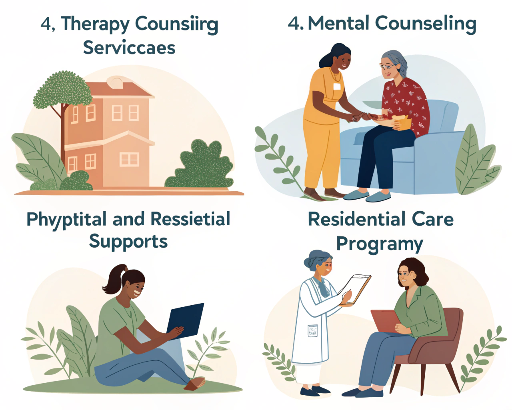
In general, mental health services can be categorized into four primary types: prevention and early intervention, diagnosis and treatment, rehabilitation and recovery, and support and maintenance. Each type serves a unique purpose and targets different stages of mental health care, ensuring comprehensive support for individuals across the continuum of mental health needs. Prevention and early intervention focus on identifying risks and addressing issues before they escalate, while diagnosis and treatment involve clinical assessments and therapeutic interventions tailored to specific conditions. Rehabilitation and recovery emphasize restoring functionality and independence, and support and maintenance provide ongoing assistance to sustain long-term well-being. Together, these categories form a holistic framework that addresses the multifaceted nature of mental health care.
Understanding these four types of mental health services is vital for both healthcare providers and the general public. For providers, it ensures that care is structured and evidence-based, meeting the needs of diverse populations effectively. For the public, awareness of these services empowers individuals to seek help proactively and reduces misconceptions about mental health care. As we delve deeper into each category, the interconnectedness of these services becomes apparent, highlighting their collective role in promoting mental wellness and resilience.
Prevention and Early Intervention: Safeguarding Mental Wellness Before Challenges Arise

Prevention and early intervention represent the cornerstone of effective mental health care, focusing on proactive strategies to mitigate risks and address emerging issues before they escalate into more severe conditions. These services are designed to foster mental wellness, identify vulnerabilities, and equip individuals with tools to navigate life’s challenges successfully. By intervening early, mental health professionals can significantly reduce the incidence and severity of mental health disorders, ultimately saving lives and minimizing the long-term impact on individuals and society.
One of the primary goals of prevention and early intervention is to educate individuals and communities about mental health and its determinants. Public awareness campaigns, school-based programs, and workplace initiatives are common examples of preventive efforts aimed at reducing stigma and promoting mental wellness. These programs often emphasize the importance of self-care, stress management, and healthy coping mechanisms, empowering people to take charge of their mental health. For instance, mindfulness workshops and resilience training sessions teach participants how to recognize early signs of stress and adopt practices that enhance emotional regulation. Such initiatives not only improve individual well-being but also create supportive environments where mental health is prioritized and normalized.
Early intervention strategies target populations at higher risk of developing mental health issues, such as adolescents, new parents, veterans, and individuals experiencing significant life transitions. Screening tools, routine check-ins, and community outreach programs are instrumental in identifying potential concerns before they manifest as full-blown disorders. For example, schools may implement standardized mental health screenings to detect signs of anxiety or depression in students, allowing educators and counselors to intervene promptly. Similarly, postpartum depression screenings for new mothers enable healthcare providers to offer timely support and resources, preventing the condition from worsening and affecting both the mother and child.
Another critical component of prevention and early intervention is addressing social determinants of mental health. Factors such as poverty, unemployment, discrimination, and lack of access to education can exacerbate mental health challenges. Programs that tackle these root causes—such as affordable housing initiatives, job training programs, and anti-discrimination campaigns—play a vital role in reducing the prevalence of mental health issues. For instance, community centers offering free recreational activities and skill-building workshops provide safe spaces for vulnerable populations to connect, build confidence, and develop resilience.
Technology has also revolutionized prevention and early intervention efforts, making mental health resources more accessible than ever before. Mobile apps, online platforms, and telehealth services deliver evidence-based interventions directly to users, ensuring that help is available regardless of geographic location or financial constraints. For example, digital cognitive-behavioral therapy (CBT) programs allow individuals to learn coping strategies at their own pace, while virtual support groups foster connections among people facing similar challenges. These innovations democratize access to mental health care, enabling early intervention to reach broader audiences and underserved communities.
Finally, collaboration between stakeholders is essential to the success of prevention and early intervention efforts. Governments, healthcare providers, schools, workplaces, and community organizations must work together to create integrated systems that prioritize mental wellness. By aligning resources and sharing expertise, these entities can develop comprehensive strategies that address mental health holistically. For instance, partnerships between schools and local mental health clinics ensure that students receive coordinated care, while employer-sponsored wellness programs promote a culture of openness and support in professional settings.
In summary, prevention and early intervention are vital components of mental health services, offering a proactive approach to safeguarding mental wellness. Through education, targeted interventions, and systemic changes, these services empower individuals and communities to build resilience and thrive. By addressing challenges early and fostering supportive environments, prevention and early intervention lay the foundation for healthier, more resilient societies.
Diagnosis and Treatment: Addressing Mental Health Disorders with Precision and Care
Diagnosis and treatment form the backbone of mental health services, providing the critical link between identifying mental health conditions and implementing evidence-based interventions to alleviate symptoms and restore functioning. This stage of care is characterized by thorough clinical assessments, personalized treatment plans, and a multidisciplinary approach that leverages various therapeutic modalities to meet the unique needs of each individual. The goal is not only to address the immediate symptoms of mental health disorders but also to uncover underlying causes and develop strategies for long-term management and recovery.
Clinical Assessments: The Foundation of Accurate Diagnosis
The process begins with comprehensive clinical assessments, which are essential for accurate diagnosis and effective treatment planning. Mental health professionals, including psychiatrists, psychologists, and licensed therapists, employ a combination of interviews, standardized questionnaires, and observational techniques to gather detailed information about a patient’s mental health history, current symptoms, and environmental factors. These assessments often include evaluations of mood, cognition, behavior, and interpersonal relationships, as well as screening for co-occurring conditions such as substance abuse or physical health issues. For example, a clinician diagnosing major depressive disorder might use tools like the Beck Depression Inventory (BDI) or the Patient Health Questionnaire-9 (PHQ-9) to quantify symptom severity and track progress over time.
Diagnostic criteria are typically guided by established frameworks such as the Diagnostic and Statistical Manual of Mental Disorders (DSM-5) or the International Classification of Diseases (ICD). These systems provide standardized definitions and classifications for mental health disorders, ensuring consistency and accuracy in diagnosis across different settings. However, clinicians must also consider the context of each individual’s life, recognizing that cultural, socioeconomic, and personal factors can influence the presentation and interpretation of symptoms. This personalized approach ensures that diagnoses are not only clinically sound but also relevant to the patient’s lived experience.
Therapeutic Interventions: Tailoring Treatment to Individual Needs
Once a diagnosis is established, treatment plans are developed based on the specific condition, its severity, and the patient’s preferences and circumstances. Therapeutic interventions encompass a wide range of evidence-based approaches, including psychotherapy, medication management, and complementary therapies. Psychotherapy, often referred to as “talk therapy,” is a cornerstone of mental health treatment and includes modalities such as cognitive-behavioral therapy (CBT), dialectical behavior therapy (DBT), and psychodynamic therapy. CBT, for instance, is highly effective for conditions like anxiety and depression, helping individuals identify and challenge negative thought patterns while developing healthier coping strategies. DBT, on the other hand, is particularly beneficial for individuals with borderline personality disorder or chronic emotional dysregulation, teaching skills in mindfulness, distress tolerance, and interpersonal effectiveness.
Medication management is another critical component of treatment, especially for moderate to severe mental health disorders. Psychiatrists prescribe medications such as antidepressants, antipsychotics, mood stabilizers, and anxiolytics to alleviate symptoms and stabilize mood. For example, selective serotonin reuptake inhibitors (SSRIs) are commonly prescribed for depression and anxiety, while antipsychotic medications are used to manage symptoms of schizophrenia and bipolar disorder. It is important to note that medication is often most effective when combined with psychotherapy, as the two approaches complement each other in addressing both biological and psychological aspects of mental health.
In addition to traditional therapies, complementary interventions such as art therapy, music therapy, and animal-assisted therapy are increasingly recognized for their ability to enhance emotional expression and reduce stress. These modalities can be particularly beneficial for individuals who struggle to articulate their feelings verbally or who respond better to non-verbal forms of communication. Furthermore, emerging treatments like transcranial magnetic stimulation (TMS) and ketamine infusions offer promising alternatives for individuals with treatment-resistant depression, expanding the toolkit available to mental health professionals.
A Multidisciplinary Approach: Collaboration for Holistic Care
The complexity of mental health disorders often necessitates a multidisciplinary approach to diagnosis and treatment. Teams of professionals, including psychiatrists, psychologists, social workers, occupational therapists, and primary care physicians, collaborate to address the multifaceted needs of patients. This collaborative model ensures that care is comprehensive, addressing not only the psychological aspects of mental illness but also its social, occupational, and physical dimensions. For example, a patient with severe depression might benefit from a combination of psychotherapy, medication, vocational rehabilitation, and peer support groups, all coordinated by a dedicated care team.
Family involvement is also a key element of effective treatment, particularly for children, adolescents, and individuals with chronic conditions. Educating family members about the nature of the disorder and involving them in the treatment process can improve outcomes by fostering a supportive home environment. Additionally, group therapy and peer-led support groups provide opportunities for individuals to connect with others who share similar experiences, reducing feelings of isolation and building a sense of community.
Challenges and Innovations in Diagnosis and Treatment
Despite advancements in the field, challenges remain in ensuring equitable access to high-quality diagnosis and treatment services. Stigma, financial barriers, and a shortage of mental health professionals can hinder individuals from receiving timely and appropriate care. To address these issues, innovative solutions are being implemented, such as integrating mental health services into primary care settings, expanding telehealth options, and training non-specialist providers in basic mental health care. For instance, collaborative care models bring mental health specialists into primary care clinics, allowing for seamless coordination between medical and psychological treatments.
In conclusion, diagnosis and treatment are pivotal components of mental health services, offering precise and compassionate care to individuals grappling with mental health disorders. Through rigorous assessments, personalized interventions, and multidisciplinary collaboration, these services empower patients to manage their conditions effectively and reclaim their lives. As the field continues to evolve, ongoing research and innovation hold the promise of even more effective and accessible treatments, further enhancing the quality of care for all.
Rehabilitation and Recovery: Empowering Individuals Toward Independence
Rehabilitation and recovery services stand as vital pillars within the framework of mental health care, focusing on restoring functionality, fostering independence, and reintegrating individuals into their communities. These services are particularly crucial for individuals recovering from severe mental health disorders, such as schizophrenia, bipolar disorder, or major depressive episodes, as well as those overcoming substance abuse or trauma-related conditions. By combining evidence-based interventions, skill-building programs, and supportive environments, rehabilitation and recovery aim to bridge the gap between managing symptoms and achieving a fulfilling, productive life.
Skill Development: Building Foundations for Independence
At the heart of rehabilitation lies the emphasis on skill development, equipping individuals with practical tools to navigate daily life and overcome challenges posed by their conditions. Cognitive remediation therapy (CRT), for instance, targets deficits in attention, memory, and problem-solving abilities that often accompany serious mental illnesses. Through structured exercises and computer-based programs, CRT helps individuals regain cognitive functions necessary for tasks like managing finances, adhering to schedules, and maintaining employment. Similarly, social skills training focuses on interpersonal competencies, teaching individuals how to communicate effectively, resolve conflicts, and build meaningful relationships. These interventions not only enhance personal agency but also reduce feelings of isolation and dependency.
Vocational rehabilitation is another cornerstone of recovery, addressing the economic and social barriers faced by individuals with mental health conditions. Programs in this domain assist participants in identifying career goals, acquiring job-specific skills, and securing sustainable employment. Supported employment models, such as Individual Placement and Support (IPS), have proven particularly effective, offering job coaching, workplace accommodations, and ongoing support to ensure long-term success. By facilitating reentry into the workforce, vocational rehabilitation not only boosts self-esteem and financial stability but also fosters a sense of purpose and contribution to society.
Community Integration: Rebuilding Connections
Community integration is a fundamental objective of rehabilitation and recovery, emphasizing the importance of social inclusion and participation in everyday life. Mental health conditions often disrupt an individual’s ability to engage with their environment, leading to withdrawal and marginalization. Rehabilitation programs counteract this by creating opportunities for individuals to reconnect with their communities through structured activities, volunteer work, and peer support networks. For example, clubhouse models provide a welcoming space where members can collaborate on projects, attend workshops, and access resources, fostering a sense of belonging and mutual support.
Housing support is another critical aspect of community integration, ensuring that individuals have access to safe, stable, and affordable living arrangements. Transitional housing programs offer temporary accommodation and intensive support services for those transitioning out of institutional settings, while permanent supportive housing combines affordable housing with wraparound services to address ongoing needs. These initiatives not only reduce homelessness but also create environments conducive to recovery, where individuals can focus on rebuilding their lives without the constant stress of housing insecurity.
Peer Support: Harnessing Shared Experiences
Peer support plays a transformative role in rehabilitation and recovery, leveraging the power of shared experiences to inspire hope and facilitate healing. Peer specialists—individuals who have lived experience with mental health challenges—serve as mentors, advocates, and role models, guiding others through their recovery journeys. Their firsthand understanding of the struggles and triumphs associated with mental illness fosters trust and empathy, breaking down barriers that might otherwise impede progress. Peer-led support groups and recovery-oriented programs encourage participants to set realistic goals, celebrate small victories, and embrace setbacks as part of the process.
The concept of recovery extends beyond symptom management to encompass personal growth and empowerment. Recovery-oriented practices emphasize strengths-based approaches, focusing on what individuals can achieve rather than what they cannot. Tools like wellness recovery action plans (WRAP) enable individuals to take an active role in their recovery by identifying triggers, developing coping strategies, and setting priorities. This shift from a deficit-focused to a strengths-based perspective not only enhances motivation but also reinforces the belief that recovery is possible and attainable.
Challenges and Innovations in Rehabilitation and Recovery
While rehabilitation and recovery services have made significant strides, challenges persist in ensuring equitable access and addressing complex needs. Funding limitations, fragmented service delivery, and societal stigma can hinder the availability and effectiveness of these programs. To overcome these obstacles, innovative models are emerging, such as trauma-informed care, which recognizes the pervasive impact of trauma and integrates safety, trust, and empowerment into all aspects of service provision. Similarly, digital platforms and mobile applications are expanding access to rehabilitation resources, offering virtual skill-building modules, peer support forums, and self-help tools that individuals can access anytime, anywhere.
In conclusion, rehabilitation and recovery services represent a beacon of hope for individuals striving to reclaim their lives from the grips of mental illness. By focusing on skill development, community integration, and peer support, these services empower individuals to overcome adversity and thrive. As the field continues to innovate and adapt, the vision of a world where everyone has the opportunity to recover and lead fulfilling lives becomes increasingly attainable.
Support and Maintenance: Sustaining Long-Term Mental Wellness
Support and maintenance services are indispensable in the continuum of mental health care, serving as the bedrock for sustaining long-term mental wellness. These services are designed to provide ongoing assistance and monitoring, ensuring that individuals who have navigated through acute phases of mental health challenges continue to thrive in their recovery journey. Unlike episodic care that addresses immediate crises or symptoms, support and maintenance focus on continuity, resilience, and relapse prevention, thereby fostering enduring mental health stability.
Ongoing Therapy and Counseling: A Lifeline for Continuous Growth
One of the cornerstones of support and maintenance is ongoing therapy and counseling. Regular sessions with mental health professionals offer individuals a consistent space to explore evolving challenges, process emotions, and refine coping strategies. For many, these sessions act as a lifeline during periods of transition or heightened stress, such as career changes, relationship shifts, or significant life events. Cognitive-behavioral therapy (CBT) and other evidence-based modalities are often adapted to meet the changing needs of clients, ensuring that interventions remain relevant and effective over time. Group therapy and support groups also play a pivotal role, providing a sense of community and accountability that reinforces progress and prevents isolation.
Maintenance therapy is particularly critical for individuals managing chronic mental health conditions, such as bipolar disorder, schizophrenia, or recurrent depression. In these cases, regular check-ins with a psychiatrist or therapist help monitor symptoms, adjust treatment plans, and address any emerging concerns before they escalate. For example, a person with bipolar disorder may benefit from monthly medication reviews and biweekly counseling sessions to maintain mood stability and prevent manic or depressive episodes. This proactive approach not only enhances quality of life but also reduces the likelihood of hospitalizations or crises.
Case Management: Coordinating Comprehensive Care
Case management is another vital component of support and maintenance services, bridging gaps between various aspects of an individual’s care. Case managers serve as advocates and coordinators, ensuring that clients have access to the resources and services they need to sustain their recovery. This may include assisting with housing applications, navigating insurance coverage, connecting clients with vocational training programs, or arranging transportation to appointments. By addressing logistical and systemic barriers, case managers empower individuals to focus on their mental health without being overwhelmed by external stressors.
For individuals with complex needs, such as those experiencing homelessness, co-occurring substance use disorders, or involvement with the criminal justice system, case management becomes even more critical. Assertive community treatment (ACT) teams, for instance, provide intensive, multidisciplinary support to individuals with severe mental illnesses who require frequent and sustained assistance. These teams often include psychiatrists, social workers, nurses, and peer specialists, all working collaboratively to deliver comprehensive care in community settings. The wraparound nature of ACT ensures that no aspect of a person’s well-being is overlooked, fostering stability and independence.
Relapse Prevention: Building Resilience Against Recurrence
Relapse prevention is a central theme in support and maintenance services, acknowledging that recovery is not a linear process but rather a dynamic journey with potential setbacks. Relapse prevention plans are personalized strategies developed collaboratively between clients and mental health professionals to identify triggers, warning signs, and actionable steps to mitigate risks. These plans often incorporate elements such as mindfulness practices, crisis hotlines, emergency contacts, and contingency measures for medication adjustments.
Education plays a key role in relapse prevention, equipping individuals with the knowledge and skills needed to recognize early warning signs and respond effectively. For example, someone recovering from addiction might learn to identify cravings or high-risk situations and implement coping mechanisms like attending support group meetings or engaging in alternative activities. Similarly, individuals with anxiety disorders might practice grounding techniques or exposure therapy to manage escalating symptoms. By normalizing setbacks as part of the recovery process and encouraging adaptive responses, support and maintenance services build resilience and confidence.
Peer Support Networks: Fostering Connection and Accountability
Peer support networks are invaluable in the realm of support and maintenance, offering a unique blend of empathy, shared experience, and encouragement. Peer specialists—who have navigated similar challenges—provide mentorship and guidance, helping others stay motivated and accountable in their recovery efforts. Peer-led initiatives, such as recovery clubs or online forums, create safe spaces where individuals can discuss their progress, seek advice, and celebrate milestones without fear of judgment.
Digital platforms have further expanded the reach of peer support, enabling real-time connections and 24/7 accessibility. Apps and websites dedicated to mental health recovery allow users to join virtual communities, participate in discussion threads, and access curated content tailored to their needs. These technologies not only enhance convenience but also reduce barriers for individuals in remote or underserved areas, ensuring that no one is left behind in their pursuit of sustained wellness.
Challenges and Innovations in Support and Maintenance
Despite their importance, support and maintenance services face challenges related to funding, accessibility, and sustainability. Limited resources often result in fragmented care, leaving gaps in service delivery and compromising long-term outcomes. To address these issues, innovative models are emerging, such as value-based care systems that prioritize outcomes over volume and integrate technology to streamline processes. Telehealth, for instance, has revolutionized access to ongoing therapy and case management, allowing individuals to receive consistent care regardless of geographic location or mobility constraints.
In conclusion, support and maintenance services are essential for sustaining the gains achieved through earlier stages of mental health care. By providing ongoing therapy, case management, relapse prevention, and peer support, these services ensure that individuals remain on a path toward lasting recovery. As the field embraces technological advancements and adopts holistic approaches, the potential to transform lives and communities grows exponentially, reinforcing the importance of investing in long-term mental wellness.
The Interconnected Role of Mental Health Services in Promoting Holistic Well-Being
The four types of mental health services—prevention and early intervention, diagnosis and treatment, rehabilitation and recovery, and support and maintenance—are not isolated silos but rather interconnected components of a cohesive framework designed to promote holistic well-being. Each type of service plays a distinct yet complementary role, ensuring that individuals receive comprehensive care tailored to their evolving needs throughout the continuum of mental health. Understanding how these services interrelate highlights their collective impact on fostering resilience, reducing stigma, and improving outcomes for individuals and communities.
Seamless Transitions Across the Continuum
One of the most significant advantages of this integrated framework is the ability to facilitate seamless transitions between different stages of care. For instance, prevention and early intervention efforts often identify individuals at risk of developing mental health challenges, enabling timely referrals to diagnostic and treatment services. Early detection of symptoms allows for prompt intervention, which can prevent conditions from worsening and reduce the need for more intensive care later on. Similarly, once an individual completes a course of treatment, rehabilitation and recovery services step in to rebuild functionality and reintegrate them into their community. Finally, support and maintenance ensure that progress is sustained, providing ongoing resources to prevent relapse and promote long-term wellness. This continuum of care creates a safety net, ensuring that no individual falls through the cracks during critical transitions.
The interconnectedness of these services also enables a personalized approach to mental health care. For example, a young adult diagnosed with anxiety might initially benefit from early intervention services such as cognitive-behavioral therapy (CBT) and mindfulness training. If their condition progresses or co-occurs with other challenges, they may require a more structured treatment plan involving medication management and specialized therapy. As they stabilize, vocational rehabilitation could help them return to work or pursue educational goals, while peer support groups and ongoing counseling provide the emotional scaffolding needed for sustained recovery. This tailored progression underscores the importance of viewing mental health care as a dynamic, lifelong process rather than a series of disconnected interventions.
Holistic Well-Being Through Multifaceted Support
The synergy among the four types of mental health services fosters holistic well-being by addressing the multifaceted nature of mental health. Prevention and early intervention lay the groundwork for mental wellness, equipping individuals with the tools to manage stress, build resilience, and recognize early warning signs. Diagnosis and treatment target the biological, psychological, and social dimensions of mental health disorders, offering precise interventions that alleviate symptoms and restore balance. Rehabilitation and recovery focus on rebuilding independence and fostering social connections, while support and maintenance ensure that individuals remain engaged and empowered in their recovery journey. Together, these services create a comprehensive ecosystem that supports not only the absence of illness but also the presence of positive mental health.
This holistic approach is particularly critical in addressing the social determinants of mental health, such as poverty, discrimination, and lack of access to education. By integrating prevention programs with community-based rehabilitation initiatives and ongoing support networks, mental health services can tackle systemic inequities that exacerbate mental health disparities. For example, a homeless individual struggling with depression might benefit from a combination of housing support, case management, therapy, and peer mentoring, all working in tandem to address both their immediate needs and long-term goals. This interconnected model reflects a commitment to equity and inclusivity, ensuring that mental health care is accessible and effective for diverse populations.
Reducing Stigma and Enhancing Accessibility
The interconnectedness of mental health services also plays a pivotal role in reducing stigma and enhancing accessibility. When prevention efforts normalize discussions about mental health and early intervention programs make care readily available, individuals are more likely to seek help without fear of judgment. Similarly, the visibility of rehabilitation and recovery programs, coupled with robust support networks, reinforces the message that mental health challenges are manageable and recovery is achievable. This normalization fosters a culture of openness and acceptance, encouraging more people to engage with mental health services at all stages of their journey.
Moreover, the integration of technology and multidisciplinary collaboration amplifies the reach and effectiveness of these services. Telehealth platforms, mobile apps, and digital tools enable individuals to access prevention resources, therapy sessions, and peer support from the comfort of their homes. Collaborative care models, which bring together psychiatrists, therapists, social workers, and primary care providers, ensure that mental health care is embedded within broader healthcare systems, making it easier for individuals to navigate their options. By breaking down barriers and streamlining processes, these innovations enhance the accessibility and efficiency of mental health services.
A Call to Action: Investing in Comprehensive Mental Health Care
In conclusion, the four types of mental health services are deeply interconnected, forming a unified framework that promotes holistic well-being and addresses the complexities of mental health. Their collective impact extends beyond individual outcomes, influencing families, communities, and societies at large. By investing in comprehensive mental health care that bridges prevention, treatment, recovery, and maintenance, we can create a future where mental wellness is prioritized, stigma is eradicated, and everyone has the opportunity to thrive. Policymakers, healthcare providers, and communities must work together to strengthen these services, ensuring that they remain inclusive, adaptable, and responsive to the ever-evolving needs of individuals and populations. Only then can we truly harness the transformative power of mental health care to build healthier, more resilient societies.