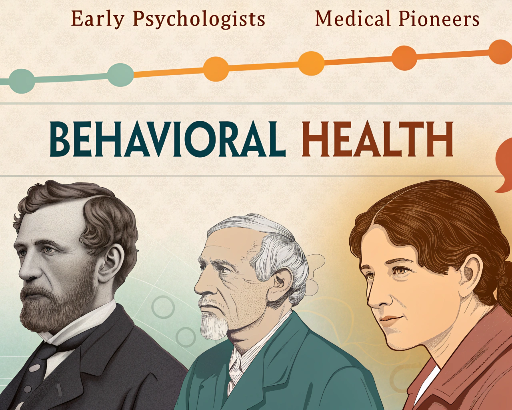
Defining Behavioral Health: An Evolving Concept

The term “behavioral health” has emerged as a cornerstone in the modern understanding of mental and emotional well-being, yet its definition has evolved significantly over time. At its core, behavioral health refers to the connection between behaviors—such as eating habits, substance use, physical activity, and coping mechanisms—and their impact on an individual’s overall health. This concept encompasses not only mental health disorders like depression, anxiety, and schizophrenia but also encompasses behaviors that contribute to physical health outcomes, such as smoking, substance abuse, and sedentary lifestyles. Unlike traditional definitions of mental health, which primarily focus on diagnosing and treating psychological conditions, behavioral health adopts a broader, more holistic perspective by emphasizing the role of behavior in shaping both mental and physical wellness.

Behavioral health is distinct from mental health in several key ways. While mental health traditionally centers on diagnosing and managing specific psychological disorders, behavioral health integrates prevention, intervention, and treatment strategies that address the root causes of unhealthy behaviors. For example, a mental health professional might focus on prescribing medication or conducting therapy for someone diagnosed with major depressive disorder. In contrast, a behavioral health approach would examine the patient’s lifestyle choices, stressors, social environment, and coping strategies to identify factors contributing to their condition. This proactive, interdisciplinary framework aligns with contemporary healthcare trends that prioritize preventive care and patient-centered outcomes.
Modern interpretations of behavioral health have expanded even further to include the social determinants of health, recognizing that factors such as socioeconomic status, education, housing, and community support systems profoundly influence behavioral patterns and health outcomes. This shift reflects a growing understanding that addressing mental and physical health requires more than clinical interventions; it demands systemic changes that tackle the broader environmental and societal factors affecting individuals. As a result, behavioral health has become a unifying concept that bridges disciplines such as psychology, psychiatry, social work, public health, and primary care. This integrative approach underscores the importance of collaboration among healthcare providers, policymakers, and communities to foster resilience and promote well-being across populations.
Today, behavioral health is increasingly viewed as a dynamic and evolving field that adapts to emerging challenges, such as the rise of digital health technologies, the opioid crisis, and the global burden of chronic diseases. It emphasizes empowerment, self-management, and personalized care, encouraging individuals to take an active role in their health journeys. By addressing the intersection of behavior, mental health, and physical health, behavioral health offers a comprehensive framework for understanding and improving human wellness, making it a vital component of contemporary healthcare systems worldwide.
The Historical Roots of Behavioral Health: From Ancient Practices to Modern Medicine
The origins of the term “behavioral health” can be traced back to ancient civilizations, where early societies recognized the intricate relationship between behavior and health. Although the terminology itself did not exist, the foundational ideas underlying behavioral health were embedded in practices aimed at understanding and addressing the interplay between mental states, behaviors, and physical well-being. These early interpretations laid the groundwork for the modern concept, reflecting humanity’s enduring quest to comprehend the complexities of mind-body interactions.
In ancient Greece, philosophers and physicians began exploring the connection between mental and physical health. Hippocrates, often regarded as the father of medicine, proposed the theory of the four humors—blood, phlegm, black bile, and yellow bile—as the basis for understanding health and illness. He posited that imbalances in these bodily fluids could lead to both physical ailments and disturbances in mood or behavior. This holistic approach emphasized the unity of mind and body, suggesting that behavioral manifestations, such as irritability or lethargy, were symptoms of underlying physiological conditions. Similarly, Aristotle and Plato contributed to early discussions about the influence of emotions and cognition on health, introducing philosophical frameworks that linked ethical behavior and mental well-being to overall vitality.
Other ancient cultures also developed sophisticated understandings of behavioral health. In traditional Chinese medicine, practitioners identified the flow of qi (life energy) as central to maintaining harmony within the body. Emotional imbalances, such as anger or grief, were believed to disrupt this energy flow, leading to both psychological distress and physical illness. Techniques like acupuncture, herbal remedies, and meditation were employed to restore equilibrium, demonstrating an early recognition of the interconnectedness of behavior, emotions, and health. Similarly, Ayurvedic medicine in ancient India emphasized the balance of three doshas—vata, pitta, and kapha—to achieve optimal health. Unhealthy behaviors, poor diet, and unresolved emotional conflicts were seen as contributors to disease, underscoring the importance of addressing lifestyle and mental states in healing.
Religious and spiritual traditions further enriched early interpretations of behavioral health. Many ancient societies attributed mental and behavioral disturbances to supernatural forces, such as possession or divine punishment, while others viewed them as reflections of moral failings or spiritual disconnection. For instance, in ancient Egypt, healers combined medical treatments with rituals to address both physical symptoms and perceived spiritual imbalances. Indigenous cultures around the world similarly integrated spiritual practices, storytelling, and community support into their approaches to mental and behavioral challenges, emphasizing the role of social cohesion and cultural identity in fostering resilience.
The Middle Ages marked a shift in how behavioral phenomena were understood, particularly in Europe, where religious dogma often overshadowed scientific inquiry. Mental illnesses were frequently attributed to demonic possession or witchcraft, leading to treatments that ranged from exorcisms to confinement in asylums. Despite these regressive tendencies, some medieval scholars preserved and built upon earlier knowledge. Islamic physicians during the Golden Age of Islam, such as Avicenna (Ibn Sina), synthesized Greek medical theories with their own observations, producing comprehensive texts like The Canon of Medicine. These works highlighted the importance of mental hygiene and behavioral regulation in maintaining health, bridging ancient wisdom with emerging medical advancements.
The Renaissance and Enlightenment periods ushered in renewed interest in empirical observation and scientific reasoning, paving the way for modern interpretations of behavioral health. Figures like René Descartes and John Locke explored the nature of consciousness and the mind-body relationship, laying philosophical foundations for later developments in psychology and psychiatry. By the 19th century, pioneers such as Philippe Pinel and Dorothea Dix advocated for humane treatment of individuals with mental illnesses, challenging prevailing stigmas and advocating for systemic reforms. Their efforts reflected a growing recognition that behavioral issues required compassionate, evidence-based interventions rather than punitive measures.
As the 20th century unfolded, the field of psychology gained prominence, with figures like Sigmund Freud, Carl Jung, and B.F. Skinner advancing theories about human behavior and mental processes. Simultaneously, public health movements began emphasizing the role of lifestyle factors—such as diet, exercise, and substance use—in determining health outcomes. These developments converged to form the conceptual underpinnings of what we now recognize as behavioral health. The integration of these diverse historical threads highlights the enduring relevance of ancient insights while acknowledging the transformative contributions of modern science and medicine.
In summary, the historical evolution of behavioral health reflects a continuum of thought that spans millennia. From ancient philosophies and holistic healing practices to medieval interpretations and Enlightenment-era discoveries, each era has contributed unique perspectives to our understanding of the relationship between behavior and health. These historical roots underscore the complexity and adaptability of the concept, providing a rich foundation for its continued refinement in the contemporary era.
The Emergence of the Term “Behavioral Health”
The formal introduction of the term “behavioral health” into professional and academic discourse marks a pivotal moment in the evolution of mental and physical health paradigms. This terminology emerged in the latter half of the 20th century, driven by a confluence of societal, scientific, and institutional shifts that sought to bridge the gap between mental health and physical health. Its adoption signaled a departure from fragmented approaches to healthcare, instead promoting an integrative model that recognized the profound interplay between behavior, emotions, and overall well-being.
The term “behavioral health” first gained traction in the United States during the 1970s and 1980s, amid growing awareness of the limitations of traditional mental health frameworks. At the time, mental health services were often siloed from general medical care, creating barriers to comprehensive treatment for individuals whose conditions spanned both domains. For instance, a person struggling with alcohol addiction—a behavior with clear mental and physical health implications—might receive disjointed care, with one provider addressing the psychological aspects and another focusing solely on the physiological consequences. Recognizing this disconnect, healthcare professionals and policymakers began advocating for a unified terminology that could encapsulate the full spectrum of factors influencing health outcomes.
One of the earliest documented uses of “behavioral health” appeared in academic literature during the late 1970s. Researchers and clinicians began employing the term to describe interventions targeting behaviors that directly impacted health, such as smoking cessation programs, weight management initiatives, and substance abuse treatment. These efforts were rooted in the burgeoning field of behavioral medicine, which applied psychological principles to the study and treatment of physical illnesses. The term quickly gained traction in public health circles, where it was used to emphasize the role of behavior modification in preventing and managing chronic diseases like diabetes, heart disease, and cancer. This shift aligned with broader trends in healthcare, including the rise of preventive medicine and the increasing recognition of lifestyle factors as determinants of health.
Institutionally, the adoption of “behavioral health” was bolstered by government agencies and nonprofit organizations seeking to streamline service delivery and improve accessibility. The U.S. Department of Health and Human Services (HHS) played a significant role in popularizing the term through policy initiatives and funding allocations aimed at integrating mental health and substance abuse services into primary care settings. The Substance Abuse and Mental Health Services Administration (SAMHSA), established in 1992, further solidified the use of “behavioral health” in federal discourse, framing it as an umbrella category that encompassed mental health, addiction recovery, and preventive interventions. This institutional endorsement helped legitimize the term, embedding it into the lexicon of healthcare providers, researchers, and policymakers.
Academic institutions also played a crucial role in formalizing the concept of behavioral health. Universities began offering specialized programs and degrees in behavioral health sciences, training a new generation of professionals equipped to address the complex interplay of mental, emotional, and physical health. These programs drew on multidisciplinary approaches, incorporating insights from psychology, sociology, public health, and medicine. The proliferation of peer-reviewed journals and conferences dedicated to behavioral health further cemented its status as a distinct and evolving field of study.
The emergence of “behavioral health” was not merely semantic; it represented a paradigmatic shift in how health was conceptualized and delivered. By emphasizing the behavioral determinants of health, the term challenged prevailing notions that separated mental health from physical health. Instead, it underscored the importance of viewing individuals holistically, considering their behaviors, environments, and social contexts as integral components of their health trajectories. This integrative perspective resonated with a growing body of evidence linking behavioral patterns to health outcomes, reinforcing the need for coordinated, patient-centered care.
In summary, the formal introduction of “behavioral health” into professional and academic discourse was a response to the limitations of traditional healthcare models and a reflection of evolving scientific understanding. Its adoption by researchers, institutions, and policymakers signified a commitment to breaking down silos and fostering collaboration across disciplines. By reframing health as a product of behavior, emotions, and environment, the term laid the groundwork for a more inclusive and effective approach to promoting well-being—one that continues to shape healthcare practices today.
Key Milestones in the Evolution of Behavioral Health
The evolution of behavioral health as a distinct and influential field has been shaped by numerous milestones that reflect its expanding scope and integration into mainstream healthcare. These pivotal moments highlight the progression from isolated mental health services to a comprehensive, interdisciplinary approach that addresses both behavioral and physical health outcomes. Each milestone underscores the adaptability of behavioral health to meet emerging societal needs, incorporate scientific advancements, and respond to changing healthcare paradigms.
One of the earliest milestones in the evolution of behavioral health was the deinstitutionalization movement of the mid-20th century. Beginning in the 1950s and gaining momentum through the 1970s, this movement sought to transition individuals with severe mental illnesses from long-term institutional care to community-based settings. The introduction of antipsychotic medications, such as chlorpromazine, played a critical role in enabling this shift by reducing the severity of symptoms and allowing patients to live more independently. However, the abrupt closure of many psychiatric hospitals without adequate community support systems led to challenges, including increased homelessness and incarceration rates among individuals with mental illnesses. This period underscored the need for a more holistic approach to mental health care, setting the stage for the development of behavioral health frameworks that prioritized community integration and continuity of care.
Another landmark event was the publication of the Healthy People initiative in 1979 by the U.S. Surgeon General. This report marked a turning point in public health by explicitly linking behavioral factors, such as smoking, poor nutrition, and lack of physical activity, to chronic diseases like heart disease, cancer, and diabetes. The initiative emphasized the importance of preventive care and behavior modification in reducing the burden of preventable illnesses. It catalyzed widespread adoption of behavioral health principles in public health campaigns, such as anti-smoking initiatives and workplace wellness programs. These efforts demonstrated the potential of behavioral interventions to improve population health outcomes, further legitimizing the role of behavioral health in healthcare systems.
The advent of managed care in the 1980s and 1990s represented another transformative milestone. Managed care organizations introduced cost-containment strategies that incentivized the integration of mental health and substance abuse services into primary care settings. This shift was driven by economic pressures and the recognition that untreated behavioral health issues often led to higher costs in emergency care and hospitalizations. The integration of behavioral health into managed care models not only improved access to services but also encouraged collaboration among healthcare providers. For example, primary care physicians began routinely screening for depression and substance use disorders, referring patients to behavioral health specialists when necessary. This model of care laid the foundation for the modern emphasis on integrated care teams, where mental health professionals, physicians, and social workers collaborate to address the full spectrum of patient needs.
The early 21st century witnessed another milestone with the passage of the Mental Health Parity and Addiction Equity Act (MHPAEA) in 2008. This landmark legislation mandated that insurance plans provide equal coverage for mental health and substance use disorders as they do for physical health conditions. The MHPAEA addressed longstanding disparities in insurance benefits, ensuring that individuals with behavioral health needs could access affordable, high-quality care. This legislative achievement reflected growing societal recognition of the importance of mental and behavioral health and reinforced the notion that these issues are inseparable from overall health. The Affordable Care Act (ACA) of 2010 further expanded access to behavioral health services by requiring most insurance plans to cover essential health benefits, including mental health and addiction treatment.
Technological advancements have also played a pivotal role in shaping the trajectory of behavioral health. The rise of digital health technologies, such as telehealth platforms, mobile apps, and wearable devices, has revolutionized how behavioral health services are delivered. Telehealth, in particular, gained prominence during the COVID-19 pandemic, enabling individuals to access therapy, psychiatric consultations, and support groups remotely. Digital tools have democratized access to care, reaching underserved populations and reducing barriers such as geographic isolation and stigma. Additionally, data analytics and artificial intelligence are being leveraged to personalize interventions, predict treatment outcomes, and optimize resource allocation. These innovations exemplify the adaptability of behavioral health to leverage emerging technologies in pursuit of more effective and equitable care.
Finally, the growing emphasis on social determinants of health represents a recent milestone in the evolution of behavioral health. Research has consistently shown that factors such as poverty, discrimination, housing instability, and food insecurity profoundly influence behavioral patterns and health outcomes. In response, behavioral health frameworks have expanded to incorporate interventions that address these upstream determinants. For example, initiatives like Housing First programs aim to stabilize individuals experiencing homelessness by providing permanent housing alongside supportive services, including mental health and addiction treatment. Similarly, trauma-informed care models recognize the impact of adverse childhood experiences (ACEs) on lifelong health and emphasize resilience-building strategies. These developments reflect a broader understanding of behavioral health as a dynamic and multifaceted field that must account for the complex interplay of individual, social, and environmental factors.
Each of these milestones illustrates the progressive expansion of behavioral health beyond its initial focus on mental illness to encompass a wide array of factors influencing human well-being. From deinstitutionalization to technological innovation, these events have collectively shaped behavioral health into a robust and adaptable discipline capable of addressing the diverse needs of individuals and communities. As the field continues to evolve, its capacity to integrate new insights, technologies, and societal priorities ensures its enduring relevance in the pursuit of holistic health and wellness.
The Influence of Policy, Advocacy, and Societal Trends on Behavioral Health
The evolution and acceptance of behavioral health as a critical component of healthcare have been significantly shaped by policy decisions, advocacy efforts, and broader societal trends. These forces have collectively elevated the visibility of behavioral health, driving its integration into mainstream healthcare systems and fostering greater public awareness of its importance. Understanding the interplay between these elements reveals how behavioral health has transitioned from a marginalized concept to a widely recognized and valued discipline.
Policy decisions have played a pivotal role in legitimizing behavioral health and ensuring equitable access to services. Legislative milestones, such as the Mental Health Parity and Addiction Equity Act (MHPAEA) of 2008 and the Affordable Care Act (ACA) of 2010, have been instrumental in dismantling systemic barriers that once limited access to mental health and substance abuse care. Prior to these policies, many insurance plans imposed stringent limitations on behavioral health coverage, including higher copayments, stricter eligibility criteria, and shorter treatment durations compared to physical health services. The MHPAEA mandated parity in coverage, compelling insurers to offer comparable benefits for mental health and substance use disorders. Similarly, the ACA expanded Medicaid eligibility and required most insurance plans to include behavioral health services as part of essential health benefits. These policy changes not only improved access to care but also signaled a societal acknowledgment of the inseparability of mental and physical health, reinforcing the legitimacy of behavioral health as an integral component of overall well-being.
Advocacy efforts have complemented policy changes by amplifying the voices of those affected by behavioral health challenges and championing systemic reforms. Grassroots organizations, patient advocacy groups, and professional associations have worked tirelessly to destigmatize mental illness and substance abuse, challenge discriminatory practices, and advocate for equitable treatment. For example, the National Alliance on Mental Illness (NAMI) has been a powerful force in raising awareness about the prevalence of mental health disorders and the need for accessible, high-quality care. Through campaigns, educational initiatives, and lobbying efforts, NAMI and similar organizations have influenced public opinion and pressured policymakers to prioritize behavioral health. Advocacy has also extended to addressing disparities in care, particularly for marginalized populations such as racial and ethnic minorities, LGBTQ+ individuals, and low-income communities. By highlighting these inequities, advocates have pushed for culturally competent care models and policies that address the unique needs of underserved groups.
Societal trends have further propelled the mainstream acceptance of behavioral health, reflecting shifting attitudes toward mental health and well-being. Over the past few decades, there has been a notable decline in the stigma surrounding mental illness, driven by increased media representation, celebrity disclosures, and public education campaigns. High-profile figures sharing their personal struggles with mental health have humanized these issues, encouraging others to seek help without fear of judgment. Additionally, the growing emphasis on self-care and mindfulness in popular culture has normalized conversations about mental health, positioning it as a universal concern rather than a source of shame. This cultural shift has been mirrored in workplaces, where employers are increasingly prioritizing employee well-being through initiatives such as mental health days, counseling services, and wellness programs. Such trends underscore the recognition of behavioral health as a fundamental aspect of productivity, engagement, and overall quality of life.
The intersection of policy, advocacy, and societal trends has also been evident in responses to global crises, such as the COVID-19 pandemic. The unprecedented mental health challenges posed by the pandemic—ranging from heightened anxiety and depression to increased substance use—highlighted the critical need for robust behavioral health infrastructure. Policymakers responded by allocating emergency funding to expand telehealth services, enhance crisis hotlines, and support community-based interventions. Advocacy groups mobilized to address the surge in demand for mental health resources, while societal trends reflected a collective reckoning with the importance of emotional resilience and social connection. Together, these efforts underscored the centrality of behavioral health in navigating adversity and fostering recovery.
In conclusion, the acceptance and evolution of behavioral health have been profoundly influenced by policy decisions, advocacy efforts, and societal trends. These forces have not only expanded access to care and reduced stigma but also redefined how behavioral health is perceived and prioritized within healthcare systems. As the field continues to adapt to emerging challenges and opportunities, its trajectory will remain deeply intertwined with the broader social, political, and cultural landscape.
The Impact of Behavioral Health on Healthcare Systems and Society
The integration of behavioral health into healthcare systems has brought about transformative changes, reshaping how individuals and communities experience care and interact with health services. By addressing the interconnectedness of mental, emotional, and physical well-being, behavioral health has emerged as a cornerstone of modern healthcare, influencing everything from patient outcomes to systemic efficiencies. Its impact extends far beyond clinical settings, permeating societal norms, economic structures, and public health strategies, ultimately fostering a more holistic and equitable approach to health.
One of the most significant contributions of behavioral health is its ability to enhance patient outcomes by addressing the root causes of health challenges. Traditional healthcare models often focus on treating symptoms or acute conditions, leaving underlying behavioral and psychological factors unaddressed. For example, a patient with chronic pain may receive medication to manage discomfort, but without addressing co-occurring anxiety or depression, the treatment’s effectiveness is likely to be limited. Behavioral health interventions, such as cognitive-behavioral therapy (CBT) or mindfulness-based stress reduction, target these underlying issues, empowering patients to adopt healthier coping mechanisms and improve their overall quality of life. Studies have consistently shown that integrating behavioral health into primary care leads to better management of chronic diseases, reduced hospital readmissions, and improved adherence to treatment plans. This patient-centered approach not only enhances individual well-being but also reduces the long-term burden on healthcare systems by preventing costly complications and emergency interventions.
Beyond individual care, behavioral health has revolutionized healthcare delivery by promoting interdisciplinary collaboration and efficiency. The traditional siloed structure of healthcare—where mental health, substance abuse, and physical health services operate independently—often results in fragmented care and missed opportunities for intervention. The rise of integrated care models, which embed behavioral health professionals within primary care teams, has addressed this issue by fostering seamless communication and coordination. For instance, a primary care physician identifying signs of depression can immediately refer a patient to an on-site behavioral health specialist, ensuring timely and appropriate care. This model not only improves diagnostic accuracy and treatment planning but also optimizes resource allocation, reducing redundancies and inefficiencies. Moreover, the incorporation of digital tools, such as electronic health records (EHRs) and telehealth platforms, has further streamlined care delivery, enabling real-time data sharing and remote consultations. These innovations have proven especially valuable in rural and underserved areas, where access to specialized care is often limited.
On a societal level, the normalization of behavioral health has catalyzed broader cultural shifts, reducing stigma and encouraging open dialogue about mental health and well-being. Public health campaigns, workplace wellness programs, and educational initiatives have collectively contributed to a growing awareness of the importance of mental health as a determinant of overall health. This cultural transformation has empowered individuals to seek help proactively, fostering a sense of agency and resilience. For example, the widespread adoption of mental health days in corporate settings reflects a recognition of the role emotional well-being plays in productivity and job satisfaction. Similarly, schools and universities have begun implementing programs that teach students coping skills, emotional regulation, and stress management, equipping the next generation with tools to navigate life’s challenges. These societal changes not only improve individual lives but also strengthen communities by promoting inclusivity, empathy, and mutual support.
From an economic perspective, the integration of behavioral health has yielded substantial cost savings and long-term benefits. Untreated mental health and substance use disorders are among the leading contributors to lost productivity, absenteeism, and healthcare expenditures. By addressing these issues early and comprehensively, behavioral health interventions reduce the economic burden on individuals, employers, and governments. For instance, workplace mental health programs have been shown to lower absenteeism rates, improve employee retention, and enhance overall organizational performance. On a larger scale, investments in preventive behavioral health services, such as smoking cessation programs and substance abuse treatment, yield significant returns by averting costly medical interventions and chronic disease management. Furthermore, the emphasis on social determinants of health within behavioral health frameworks has spurred innovative solutions to address systemic inequities, such as affordable housing initiatives and community-based support networks. These efforts not only improve health outcomes but also reduce disparities, fostering a more just and equitable society.
The ripple effects of behavioral health extend to public health strategies, where its principles inform large-scale initiatives aimed at improving population health. By prioritizing prevention and early intervention, behavioral health aligns with the goals of public health to reduce morbidity and mortality while enhancing quality of life. Campaigns targeting lifestyle behaviors—such as anti-smoking initiatives, obesity prevention programs, and safe-sex education—exemplify how behavioral health principles are applied to address widespread health challenges. These efforts are often supported by policy measures that create environments conducive to healthy choices, such as tobacco taxes, nutritional labeling requirements, and urban planning that promotes physical activity. By addressing behavioral determinants at the population level, these strategies amplify the reach and impact of behavioral health, creating a virtuous cycle of improved health outcomes and reduced healthcare costs.
In conclusion, the impact of behavioral health on healthcare systems and society is profound and multifaceted. By bridging the gap between mental and physical health, it has enhanced patient outcomes, streamlined care delivery, and fostered cultural and economic transformations. Its principles have become integral to public health strategies, shaping policies and programs that promote well-being on a broad scale. As healthcare systems continue to evolve, the contributions of behavioral health will remain indispensable, driving progress toward a future where health is understood and addressed in its fullest, most inclusive dimensions.
Conclusion: Reflecting on the Journey and Future Directions of Behavioral Health
The exploration of the origin and evolution of the term “behavioral health” unveils a remarkable journey that mirrors humanity’s growing understanding of the intricate connections between behavior, mental health, and physical well-being. From its ancient roots in holistic healing practices to its formal introduction in the 20th century, behavioral health has transformed into a dynamic and integrative field that challenges traditional boundaries within healthcare. This evolution underscores a profound shift in perspective—from viewing mental and physical health as separate entities to embracing their interconnectedness as fundamental components of overall wellness. The milestones, policies, and societal trends that have shaped behavioral health reflect a collective effort to address the complexities of human health in a way that is comprehensive, inclusive, and forward-thinking.
Reflecting on this historical trajectory reinforces the significance of behavioral health in modern healthcare systems. Its emphasis on prevention, early intervention, and interdisciplinary collaboration has not only improved individual outcomes but also optimized resource allocation and reduced systemic inefficiencies. By addressing the behavioral determinants of health, behavioral health frameworks have paved the way for innovative solutions to some of the most pressing public health challenges, from chronic disease management to mental health equity. The normalization of behavioral health in societal discourse has further dismantled stigma, empowering individuals to seek help and fostering a culture of empathy and resilience.
Looking ahead, the future of behavioral health holds immense promise. Advances in technology, such as artificial intelligence, wearable devices, and digital therapeutics, are poised to revolutionize how behavioral health services are delivered, making them more accessible, personalized, and scalable. These innovations will enable real-time monitoring, predictive analytics, and tailored interventions that address the unique needs of diverse populations. Additionally, the growing recognition of social determinants of health will continue to shape behavioral health strategies, emphasizing the importance of addressing upstream factors like poverty, discrimination, and environmental conditions. Collaborative efforts between healthcare providers, policymakers, researchers, and communities will be essential in ensuring that these advancements translate into equitable and sustainable outcomes.
Ultimately, the story of behavioral health is one of continuous growth and adaptation—a testament to humanity’s unwavering commitment to understanding and improving the human condition. As we stand on the cusp of new discoveries and possibilities, it is imperative to carry forward the lessons of the past, honoring the pioneers who laid the groundwork for this transformative field. By doing so, we can build a future where behavioral health remains at the forefront of healthcare, championing a vision of wellness that is holistic, inclusive, and resilient in the face of ever-evolving challenges.